AGGIE GREEN FUND  TEXAS A&M UNIVERSITY
AGGIE GREEN FUND TEXAS A&M UNIVERSITY

Building on their previous grant to create a vermicomposting garden at Howdy Farm, this project will install hydroponic towers at Heep, WCSS, and the Soil Characterization lab. The towers will grow fruits and vegetables in a closed-loop system and the produce will be distributed to students, staff, and faculty and the 12th Can food pantry. The project also includes infrastructure upgrades, outreach efforts, and educational programming to promote sustainable agriculture and a greener campus environment.
Building on the success of their Spring 2024 move out pilot that collected over 3,000 pounds of textiles in one week, this project will launch year-round campus textile recycling in partnership with Green City Recycler by placing permanent textile recycling bins near residence halls and apartments. The bins will provide Aggies with convenient opportunities to recycle clothing, shoes, and other items. The collected textiles will be repurposed or donated.
The Office of the Registrar is working to improve digital accessibility by remediating PDF documents so they can be used with screen readers, benefiting users with visual impairments. Without AGF funding they have been relying on costly external vendors. This grant allows them to shift to in-house capabilities, which reduces expenses and increases efficiency. By investing in software and staff training, the office aims to make their online documents more accessible.
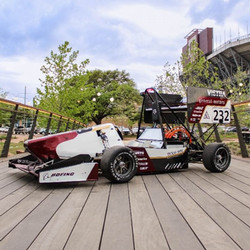
The project focuses on the full-scale development of a high-performance electric formula-style race car within a one-year design cycle, offering students hands-on engineering experience beyond the classroom. With a team of approximately 50 engineers and 25 business members, the group manages all aspects of design, manufacturing, testing, and operations, fostering accountability and industry-relevant skills. Their goal is to build a vehicle capable of placing in the top 5% at the FSAE Michigan competition by prioritizing early testing, reliability, and performance-driven design. This grant will support the purchase of a high-voltage battery charger and load bank for the car.
This project focuses on the full-scale development of a high-performance electric formula-style race car within a one-year design cycle, offering students hands-on engineering experience beyond the classroom. With a team of approximately 50 engineers and 25 business members, the group manages all aspects of design, manufacturing, testing, and operations, fostering accountability and industry-relevant skills. Their goal is to build a vehicle capable of placing in the top 5% at the FSAE Michigan competition by prioritizing early testing, reliability, and performance-driven design. This grant will support the installation of a solar panel system on the team's support trailer, reducing environmental impact and enhancing sustainability during travel and events.
The Horticulture Forest Science Building currently has only one water bottle filling station, located on the first floor. The Department of Rangeland, Wildlife and Fisheries Management, located on the third floor, serves numerous faculty, staff, and around 40 graduate students, along with two busy conference rooms. This project will replace the outdated, 45-year-old water fountains on the third floor with a modern water bottle filling station. Doing so will promote the use of refillable bottles, improve access to clean drinking water, and reduce reliance on single-use containers. Ultimately, the project supports sustainability and encourages healthier hydration habits.
The Forsyth Galleries is open 56 hours a week year-round and currently uses over 100 lights, about 85% of which are incandescent. These fixtures not only consume more energy and produce excess heat but also rely on transformers that frequently break, requiring regular replacements. The Forsyth Galleries has begun upgrading to transformer-free fixtures that use screw-in LED bulbs, which are more energy-efficient and reliable. This project seeks to continue that transition, reducing maintenance needs and significantly lowering the gallery’s carbon footprint.
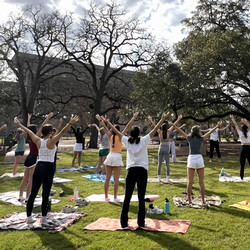
This is a 10–12-week program student-led project guided by faculty designed to introduce “Meditation in Motion as Medicine (M³)” to the Texas A&M community as a tool for stress management and overall well-being. Centered around the REST program—Relaxation, Energy, Slow down, and Take time—it combines Tai Chi and Sheng Zhen Meditation practices to promote mental clarity and emotional balance. The student team will lead weekly sessions across campus, teaching simple movements and mindfulness techniques to students, staff, and faculty. The initiative aims to bridge the gap between mental health awareness and practical stress management, fostering self-empowerment and sustainable well-being.
H.E.A.T. currently maintains free period product dispensers in the Evans Library & Annex, the Plant Pathology & Microbiology building, and Zachry Engineering Education Complex. The goal of this project is to ensure menstrual products are freely and consistently available across campus. The team is committed to restocking dispensers regularly and additional funding is needed to maintain supply levels and expand access. This AGF funding is a stopgap while they seek more sustainable long-term funding. The project also aims to increase awareness through outreach efforts, with pins and stickers serving as effective tools to engage more students.
The Aston Hall Native Planting Project involves filling the bare flower beds in front of Aston Hall with native Texas plants. The project will be headed by the Eco-Rep of Aston Hall Community Council, and will be carried out by Aston Hall residents, Aggie Eco-Rep members, and anyone else interested in helping. Native plants will enhance local biodiversity, support pollinators, and reduce the need for water, fertilizers, and pesticides—lowering maintenance costs over time. This initiative also creates a welcoming green space that fosters community, environmental awareness, and pride in sustainable practices.
This project will reduce paper towel by Aggies by providing students with reusable Swedish dishcloths as a sustainable alternative. These dishcloths are cost-effective, highly absorbent, and easy to clean, making them an ideal replacement for single-use paper towels. The project involves distributing 500 custom-designed dishcloths, along with educational information to raise awareness about paper towel waste and offer guidance on using the dishcloths. Ultimately, the initiative encourages students to adopt more sustainable habits in their daily lives.